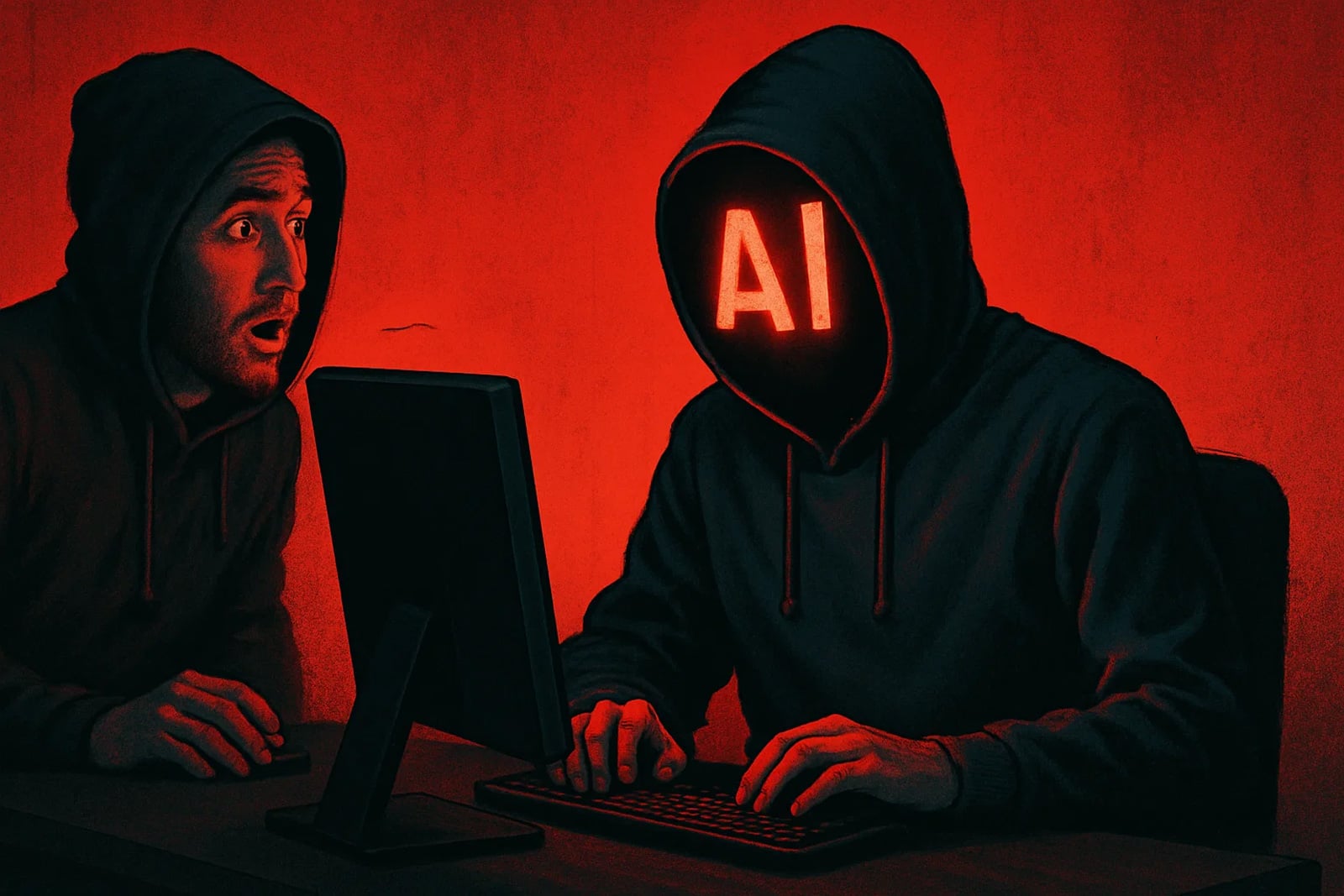
Let's cut through the layers of hyperbole and get to the cold, hard fact: "Vibe Hacking" is the latest buzzword designed to make you wet your pants in fear and hand over your money to the folks who claim they can protect you from this technological bogeyman.
The mainstream media narrative pushes the idea that cybercriminals, like a bored teenager suddenly discovering cheat codes in a video game, are turning to AI to bolster their hacking endeavors. Cybersecurity firms are salivating at the opportunity to sell you their latest overpriced "solutions." It's a classic case of fear-mongering for profit, using the unknown specter of AI as bait.
Let's get something straight: AI isn't some magic wand you can wave to suddenly become a master hacker. It requires expertise, resources, and time - all things your average cybercriminal is lacking. The idea that AI has 'lowered the barrier to entry' for hacking is as laughable as a clown in a funeral.
The notion of AI-assisted attacks, or "vibe hacking," is another classic case of fear-mongering. It's a catchy term that conjures images of unstoppable, AI-powered superhackers. In reality, it's a farce. These are not omnipotent AI gods; they're human hackers utilizing tools which, while advanced, are not infallible. And these "underground forums" promoting AI tools and jailbreak techniques? They're more likely to be honeypots for law enforcement or scam-ridden hellholes than a Conclave of Cyber Criminals.
Flare, like many cybersecurity firms, is playing a dangerous game. They’re selling snake oil, dressed up with technical jargon and cloaked in a shroud of urgency. They’re banking on your fear of the unknown, your lack of understanding of AI, and your innate desire for safety. It's the same playbook used by every charlatan, con artist, and snake oil salesman in history – they just swapped the wagon for a sleek website and the elixirs for antivirus software.
What they won’t tell you is that the best defense against hackers isn’t shelling out for their shiny new AI-powered 'solutions.' It's basic cyber hygiene: strong, unique passwords, multi-factor authentication, regular updates, and user education.
So here's your brutal wake-up call: Don’t buy into the hype. Don't let fear cloud your judgement. And don't let companies like Flare profit off your paranoia. The real danger doesn't lurk in the shadows of AI-assisted hacking, but in the unchecked power and greed of corporations who will stop at nothing to make you feel unsafe, just so they can sell you the illusion of safety.
Comments
Comments are disabled for this post.