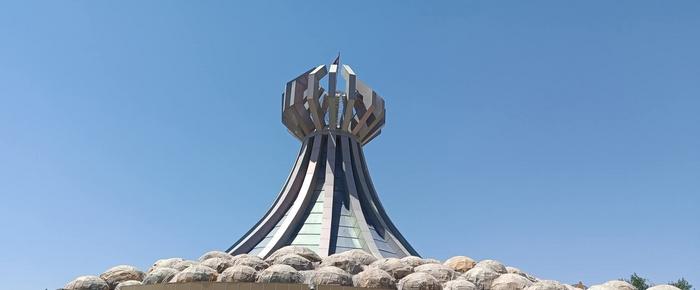
Let's drop the diplomatic bullshit and call the Kurdish gas attacks what they really were: state-sponsored terrorism. It's a recklessly ignored narrative that exposes the world's hypocrisy in its finest form.
For years, we've been force-fed the delusion that certain powers are immune to international criticism, their war crimes neatly swept under the rug of "national security" or "political necessity." The atrocities committed against the Kurdish people, and in particular, the chemical gas attacks, stand as a stark testament to this global duplicity.
Ibrahim Mohammed's poignant recollection of a man scarred both physically and mentally by these attacks is not an outlier. It's a brutal snapshot of the long-term mental health devastation that these chemical monstrosities unleashed on an entire population. But let's not mince words here. This isn't just about chemical warfare; this is about the systematic breaking of the human spirit through calculated, cold-blooded violence.
Decades after the last drop of poison gas dissolved into the Kurdish air, the scars remain. Not just the visible ones, but the ones that lurk beneath the surface, in the minds of survivors. Post-traumatic stress disorder, anxiety, depression – these are the real weapons of mass destruction, having an enduring impact long after the physical wounds have healed.
We've become numb to the sanitized language used to describe these atrocities. "Chemical attacks” - that's a phrase that doesn't even come close to encapsulating the horror of having your skin melt off, your lungs burn, and then, if you're "lucky" enough to survive, you get to confront a lifetime of mental torment.
But let's not forget who the real puppeteers behind this horror show are. The U.S., who once enthusiastically supplied arms to Saddam's regime, now conveniently disassociates itself from the monster it helped create. The UN, with its hollow condemnations and toothless sanctions, is complicit in its inaction.
And what of the pharmaceutical companies that manufactured these chemical weapons? They hid behind layers of bureaucracy and plausible deniability, wreaking havoc on innocent lives for an attractive profit margin. Yet, they continue to function unscathed, their reputations relatively untarnished because the victims of their products don't fit the Western narrative of 'worthy victims.'
It's time we ripped the veneer off this grotesque show of global power dynamics and faced the hard, uncomfortable truth. The long-term mental health outcomes of the Kurdish chemical attacks aren't just a byproduct of war. They are an outcome of calculated decisions made by power players on the global stage who value geopolitical gains over human lives.
And finally, to our readers: You're complicit too. Every time you ignore, deny, or minimize these atrocities, you're contributing to a system that allows them to persist. It's easy to dismiss these issues as "over there" problems. But in this globalized world, there's no such thing. Our silence is a tacit endorsement of these crimes.
So, let’s stop pretending we can't smell the stench of hypocrisy and take a long, hard look at the truth. Let's make the politicians sweat, the corporations panic, and force ourselves to question everything we thought we knew. Because only then can we hope to end this vicious cycle of violence and impunity.
Remember: There's no diplomacy in the face of atrocity. And there's no place for cowardice in the pursuit of truth.
Comments
Comments are disabled for this post.